

ISSN 0439-755X
CN 11-1911/B
CN 11-1911/B
Acta Psychologica Sinica ›› 2026, Vol. 58 ›› Issue (9): 1698-1719.doi: 10.3724/SP.J.1041.2026.1698
• Column on the Stress, Resilience, and Health • Previous Articles Next Articles
CHEN Yidi1( ), MA Jinjin2, GAN Yiqun2()
Published:2026-09-25
Online:2026-07-29
Contact:
CHEN Yidi, E-mail: ydchen@bjfu.edu.cn; GAN Yiqun, E-mail: ygan@pku.edu.cn
CHEN Yidi, MA Jinjin, GAN Yiqun. (2026). The curvilinear relationship between stress and mental health: A three-level meta-analysis. Acta Psychologica Sinica, 58(9), 1698-1719.
Add to citation manager EndNote|Ris|BibTeX
URL: https://journal.psych.ac.cn/acps/EN/10.3724/SP.J.1041.2026.1698
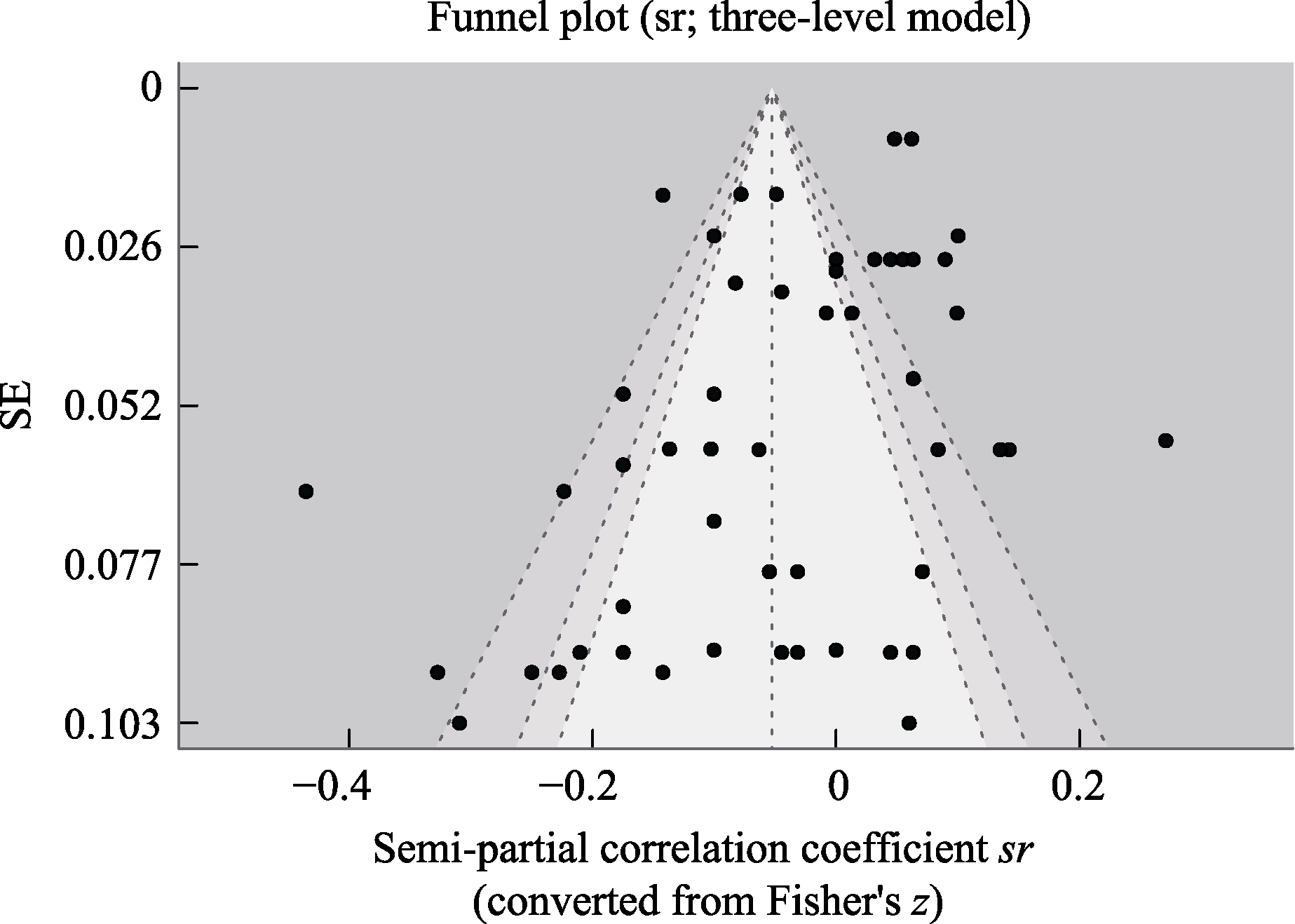
Figure 1. Flowchart of the meta-analysis.
Figure 2. Funnel plot of the distribution of quadratic effect sizes.
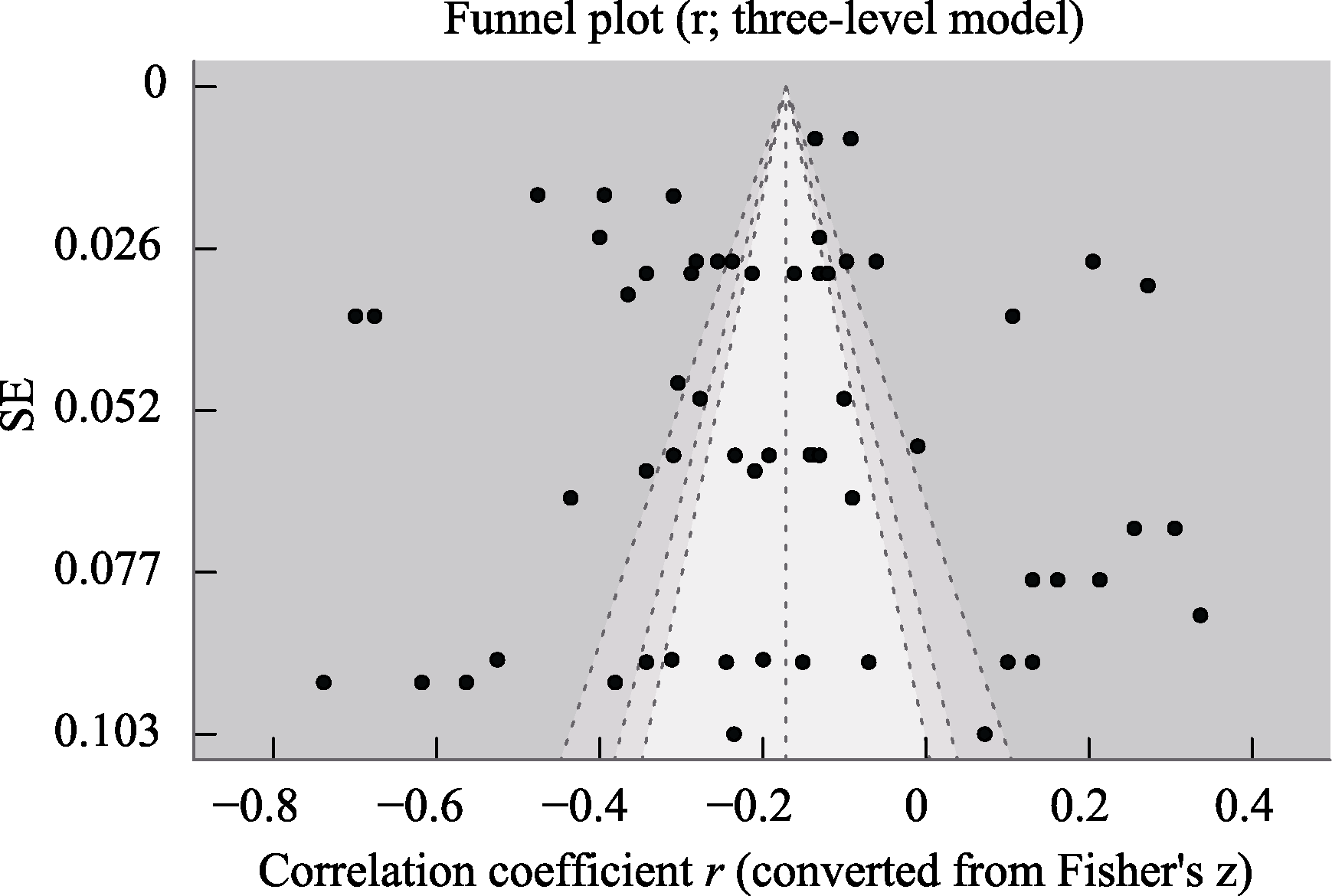
Figure 3. Funnel plot of the distribution of linear effect sizes.
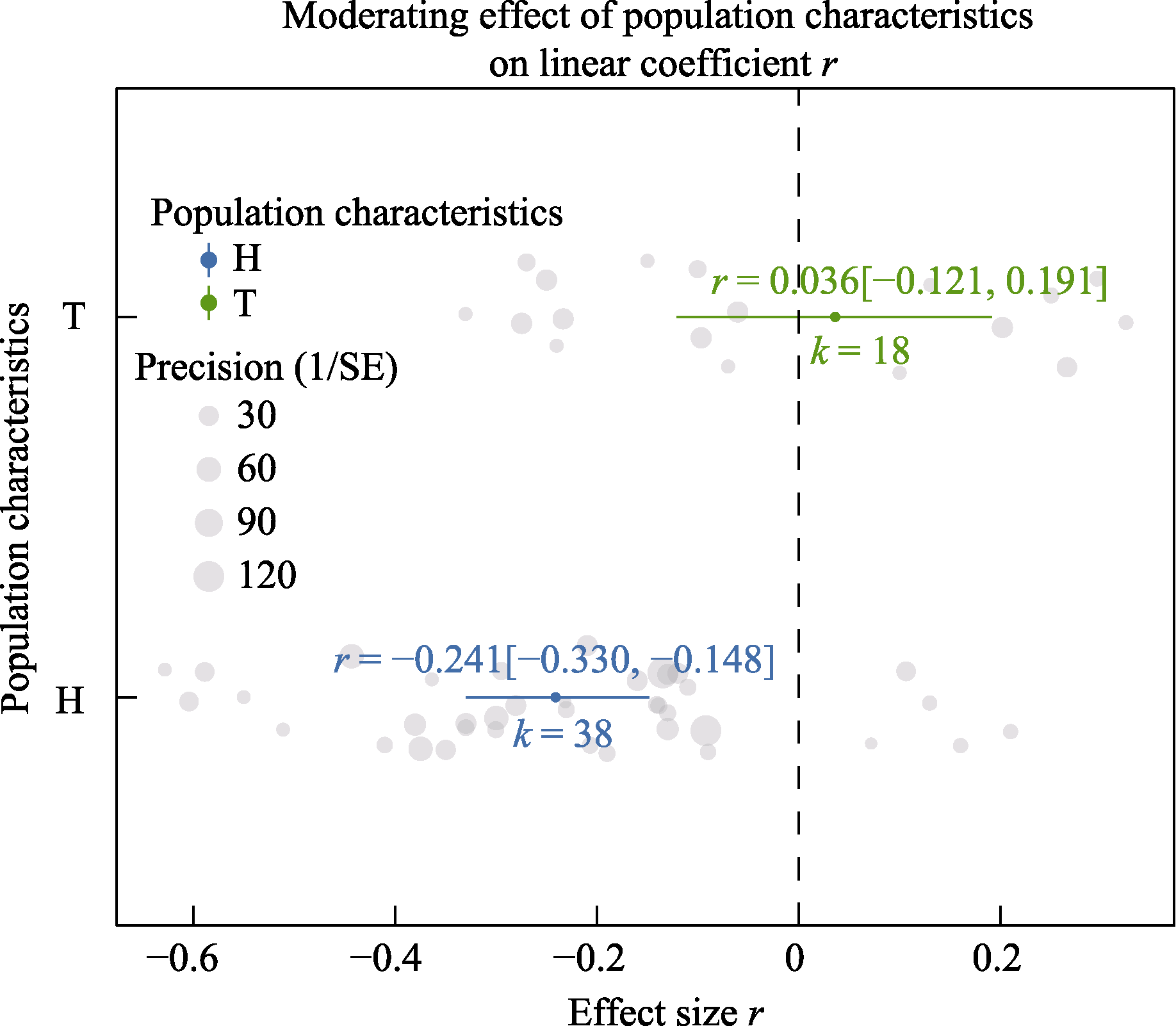
Figure 4. Moderating effect of population characteristics on linear coefficient r. Note. The lines represent the pooled effects of each group ± 95% confidence intervals, and the light gray dots represent the original effects.
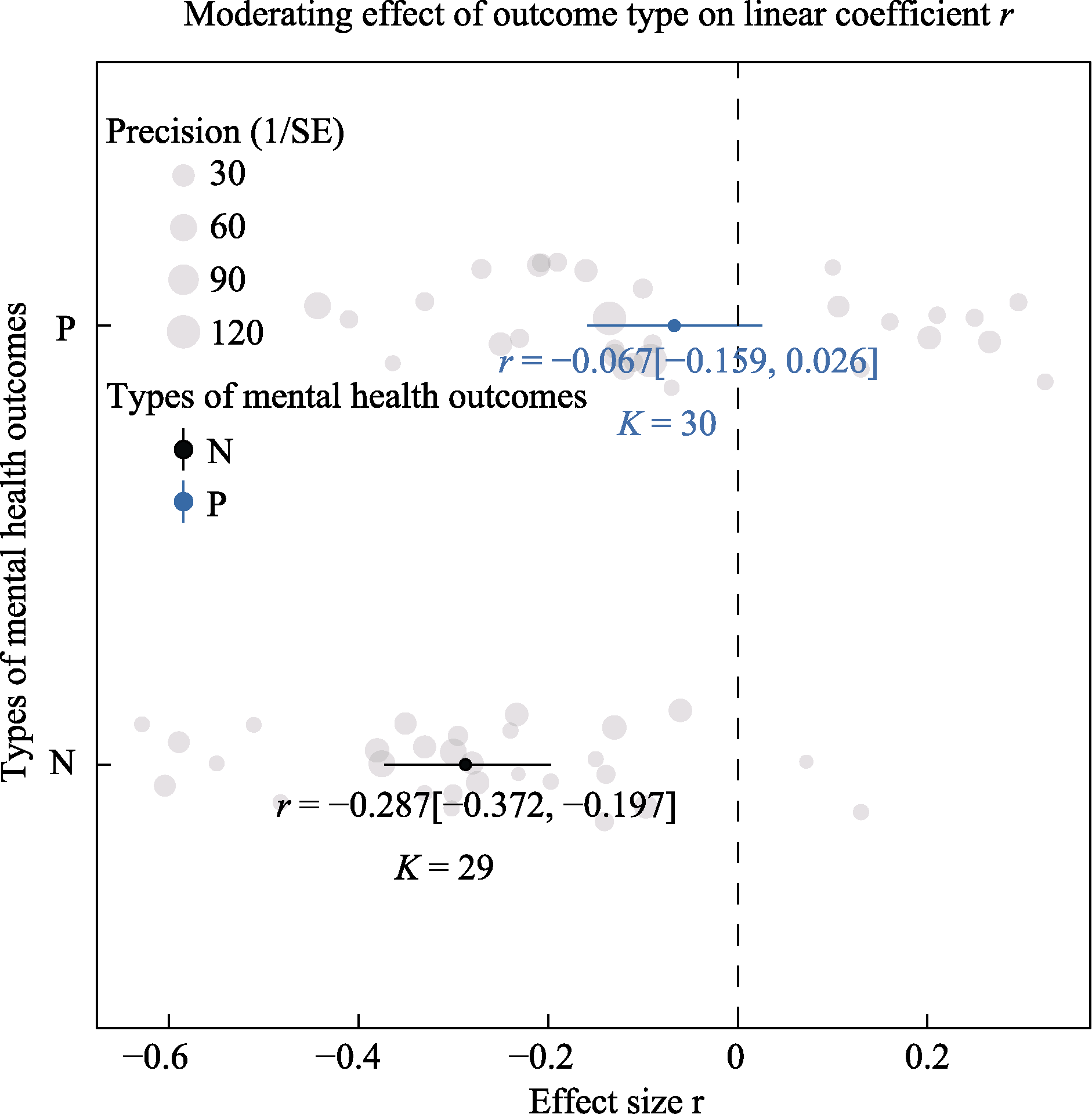
Figure 5. Moderating effect of outcome type on linear coefficient r. Note. The lines represent the pooled effects of each group ± 95% confidence intervals, and the light gray dots represent the original effects.
| (* indicates literature included in the meta-analysis) | |
| [1] | Abdi H. (2007). Part (semi partial) and partial regression coefficients. Encyclopedia of Measurement and Statistics, 3, 1-9. |
| [2] |
Aloe A. M., & Becker B. J. (2012). An effect size for regression predictors in meta-analysis. Journal of Educational and Behavioral Statistics, 37(2), 278-297. https://doi.org/10.3102/1076998610396 901
doi: 10.3102/1076998610396901 URL |
| [3] | Ashokan A., Sivasubramanian M., & Mitra R. (2016). Seeding Stress Resilience through Inoculation. Neural Plasticity, 2016, 4928081-4928086. https://doi.org/10.1155/2016/4928081 |
| [4] | Assink M., & Wibbelink C. J. M. (2016). Fitting three-level meta- analytic models in R: A step-by-step tutorial. Tutorials in Quantitative Methods for Psychology, 12(3), 154-174. https://doi. org/10.20982/tqmp.12.3.p154 |
| [5] |
* August K. J., Rook K. S., & Newsom J. T. (2007). The joint effects of life stress and negative social exchanges on emotional distress. The Journals of Gerontology, 62(5), S304-314. https://doi.org/ 10.1093/geronb/62.5.S304
doi: 10.1093/geronb/62.5.S304 URL |
| [6] |
Bonanno G. A., Chen S., Bagrodia R., & Galatzer-Levy I. R. (2024). Resilience and disaster: flexible adaptation in the face of uncertain threat. Annual Review of Psychology, 75(1), 573-599. https://doi. org/10.1146/annurev-psych-011123-024224
doi: 10.1146/psych.2024.75.issue-1 URL |
| [7] | Borenstein, M., Hedges L. V., Julian P. T. H., & Rothstein H. R. (2009). Effect sizes based on means. In M. Borenstein, L. V. Hedges, J. P. T. Higgins, & H. R. Rothstein (Eds.), Introduction to meta-analysis (pp. 21-32). John Wiley & Sons, Ltd. https://doi.org/10.1002/9780470743386.ch4 |
| [8] | Boyce W. T. (2016). Differential susceptibility of the developing brain to contextual adversity and stress. Neuropsychopharmacology (New York, N.Y.), 41(1), 142-162. https://doi.org/10.1038/npp.2015.294 |
| [9] |
Briere J., Agee E., & Dietrich A. (2016). Cumulative trauma and current posttraumatic stress disorder status in general population and inmate samples. Psychological Trauma, 8(4), 439-446. https:// doi.org/10.1037/tra0000107
doi: 10.1037/tra0000107 URL |
| [10] |
Byron K., Khazanchi S., & Nazarian D. (2010). The relationship between stressors and creativity: A meta-analysis examining competing theoretical models. Journal of Applied Psychology, 95(1), 201-212. https://doi.org/10.1037/a0017868
doi: 10.1037/a0017868 URL pmid: 20085417 |
| [11] |
Carroll D., Ginty A. T., Whittaker A. C., Lovallo W. R., & de Rooij S. R. (2017). The behavioural, cognitive, and neural corollaries of blunted cardiovascular and cortisol reactions to acute psychological stress. Neuroscience and Biobehavioral Reviews, 77, 74-86. https://doi.org/10.1016/j.neubiorev.2017.02.025
doi: S0149-7634(16)30461-4 URL pmid: 28254428 |
| [12] |
Carstensen L. L., Isaacowitz D. M., & Charles S. T. (1999). Taking time seriously: A theory of socioemotional selectivity. American Psychologist, 54(3), 165-181. https://doi.org/10.1037/0003-066X. 54.3.165
doi: 10.1037//0003-066x.54.3.165 URL pmid: 10199217 |
| [13] |
Cénat J. M., McIntee S.-E., & Blais-Rochette C. (2020). Symptoms of posttraumatic stress disorder, depression, anxiety and other mental health problems following the 2010 earthquake in Haiti: A systematic review and meta-analysis. Journal of Affective Disorders, 273, 55-85. https://doi.org/10.1016/j.jad.2020.04.046
doi: S0165-0327(19)33469-X URL pmid: 32421623 |
| [14] |
* Chen Y., Wang L., Jiang D., Zhu S., Research Team W., Chen G., & Gan Y. (2023). Vulnerability to early stressful life events: The moderating role of HOMER1 gene in the gene × environment interaction. European Journal of Developmental Psychology, 20(1), 1-23. https://doi.org/10.1080/17405629.2021.2011717
doi: 10.1080/17405629.2021.2011717 URL |
| [15] |
Chen Y., Zheng L., Ma J., Zhu H., & Gan Y. (2025). The mediating role of meaning-making in the relationship between mental time travel and positive emotions in stress-related blogs: Big data text analysis research. Journal of Medical Internet Research, 27, e63407. https://doi.org/10.2196/63407
doi: 10.2196/63407 URL |
| [16] |
Cheung M. W. (2014). Modeling dependent effect sizes with three-level meta-analyses: A structural equation modeling approach. Psychological Methods, 19(2), 211-229. https://doi.org/10.1037/a0032968
doi: 10.1037/a0032968 URL pmid: 23834422 |
| [17] | Cohen J., Cohen P., West S. G., & Aiken L. S. (2013). Applied multiple regression/correlation analysis for the behavioral sciences, Third Edition. Elsevier. https://doi.org/10.4324/9780203774441 |
| [18] |
Contractor A. A., Caldas S., Fletcher S., Shea M. T., & Armour C. (2018). Empirically derived lifespan polytraumatization typologies: A sy stematic review. Journal of Clinical Psychology, 74(7), 1137-1159. https://doi.org/10.1002/jclp.22586
doi: 10.1002/jclp.22586 URL pmid: 29363746 |
| [19] |
Cook S. G., Lee S., Ference E., Shi Y., Baimoukhametova D., Rojas-Carvajal M., … Füzesi T. (2026). Psilocybin induces sex- and context- specific recruitment of the stress axis. Current Biology, 36(1), 122-132.e4. https://doi.org/10.1016/j.cub.2025.11.031
doi: 10.1016/j.cub.2025.11.031 URL |
| [20] |
Coroiu A., Körner A., Burke S., Meterissian S., & Sabiston C. M. (2016). Stress and posttraumatic growth among survivors of breast cancer: A test of curvilinear effects. International Journal of Stress Management, 23(1), 84-97. https://doi.org/10.1037/a0039247
doi: 10.1037/a0039247 URL |
| [21] |
Crane M. F., Searle B. J., Kangas M., & Nwiran Y. (2019). How resilience is strengthened by exposure to stressors: The systematic self-reflection model of resilience strengthening. Anxiety, Stress, and Coping, 32(1), 1-17. https://doi.org/10.1080/10615806.2018. 1506640
doi: 10.1080/10615806.2018.1506640 URL |
| [22] |
Crum A. J., Salovey P., & Achor S. (2013). Rethinking stress: The role of mindsets in determining the stress response. Journal of Personality and Social Psychology, 104(4), 716-733. https://doi.org/ 10.1037/a0031201
doi: 10.1037/a0031201 URL pmid: 23437923 |
| [23] | Crum A. J., Santoro E., Handley-Miner I., Smith E. N., Evans K., Moraveji N., Achor S., & Salovey P. (2023). Evaluation of the "rethink stress" mindset intervention: A metacognitive approach to changing mindsets. Journal of Experimental Psychology. General, 152(9), 2603-2622. |
| [24] |
Dailer L., Adib-Rad H., Bakouei F., Faramarzi M., & Khafri S. (2024). The effect of computer-based Stress Inoculation Training (SIT) approach on the pelvic pain, depression, and anxiety in students with primary dysmenorrhea: A clinical trial study. BMC Medical Education, 24(1), 1425-1414. https://doi.org/10.1186/ s12909-024-06420-z
doi: 10.1186/s12909-024-06420-z URL pmid: 39643862 |
| [25] |
Daskalakis N. P., Bagot R. C., Parker K. J., Vinkers C. H., & de Kloet E. R. (2013). The three-hit concept of vulnerability and resilience: Toward understanding adaptation to early-life adversity outcome. Psychoneuroendocrinology, 38(9), 1858-1873. https://doi. org/10.1016/j.psyneuen.2013.06.008
doi: 10.1016/j.psyneuen.2013.06.008 URL pmid: 23838101 |
| [26] |
* de Jonge J., Reuvers M. M. E. N., Houtman I. L. D., Bongers P. M., & Kompier M. A. J. (2000). Linear and nonlinear relations between psychosocial job characteristics, subjective outcomes, and sickness absence: Baseline results from SMASH. Journal of Occupational Health Psychology, 5(2), 256-268. https://doi.org/10.1037/1076- 8998.5.2.256
doi: 10.1037//1076-8998.5.2.256 URL pmid: 10784289 |
| [27] |
De Rooij S. R. (2013). Blunted cardiovascular and cortisol reactivity to acute psychological stress: A summary of results from the Dutch famine birth cohort study. International Journal of Psychophysiology, 90(1), 21-27. https://doi.org/10.1016/j.ijpsycho.2012.09.011
doi: 10.1016/j.ijpsycho.2012.09.011 URL pmid: 23046585 |
| [28] |
Diamond G. M., Lipsitz J. D., Fajerman Z., & Rozenblat O. (2010). Ongoing traumatic stress response (OTSR) in Sderot, Israel. Professional Psychology, Research and Practice, 41(1), 19-25. https:// doi.org/10.1037/a0017098
doi: 10.1037/a0017098 URL |
| [29] |
* Dolan M., Jin L., Sharma R., Weiss N. H., & Contractor A. A. (2022). The relationship between number of trauma types, resilience, and psychological symptoms in ex-military personnel from India. Psychological Trauma: Theory, Research, Practice, and Policy, 14(3), 437-445. https://doi.org/10.1037/tra0001050
doi: 10.1037/tra0001050 URL |
| [30] |
Doll B. (2008). The dual-factor model of mental health in youth. School Psychology Review, 37(1), 69-73. https://doi.org/10.1080/ 02796015.2008.12087909
doi: 10.1080/02796015.2008.12087909 URL |
| [31] |
* Dooley L. N., Slavich G. M., Moreno P. I., & Bower J. E. (2017). Strength through adversity: Moderate lifetime stress exposure is associated with psychological resilience in breast cancer survivors. Stress and Health, 33(5), 549-557. https://doi.org/10.1002/smi. 2739
doi: 10.1002/smi.v33.5 URL |
| [32] |
Duval S., & Tweedie R. (2000). Trim and fill: A simple Funnel-Plot-Based method of testing and adjusting for publication bias in meta-analysis. Biometrics, 56(2), 455-463. https://doi.org/10. 1111/j.0006-341x.2000.00455.x
doi: 10.1111/j.0006-341x.2000.00455.x URL pmid: 10877304 |
| [33] | * Edge M. D., Ramel W., Drabant E. M., Kuo J. R., Parker K. J., & Gross J. J. (2009). For better or worse? Stress inoculation effects for implicit but not explicit anxiety. Depression & Anxiety (1091-4269), 26(9), 831-837. https://doi.org/10.1002/da.20592 |
| [34] |
Egan L. A., Park H. R. P., Lam J., & Gatt J. M. (2024). Resilience to stress and adversity: A narrative review of the role of positive affect. Psychology Research and Behavior Management, 17, 2011-2038. https://doi.org/10.2147/PRBM.S391403
doi: 10.2147/PRBM.S391403 URL pmid: 38770188 |
| [35] |
Ellis B., & Del Giudice M. (2019). Developmental adaptation to stress: An evolutionary perspective. Annual Review of Psychology, 70, 111-139. https://doi.org/10.1146/annurev-psych-122216-011732
doi: 10.1146/annurev-psych-122216-011732 URL pmid: 30125133 |
| [36] |
Epel E. S., Crosswell A. D., Mayer S. E., Prather A. A., Slavich G. M., Puterman E., & Mendes W. B. (2018). More than a feeling: A unified view of stress measurement for population science. Frontiers in Neuroendocrinology, 49, 146-169. https://doi.org/10.1016/ j.yfrne.2018.03.001
doi: S0091-3022(18)30021-9 URL pmid: 29551356 |
| [37] |
Fatemi A., Nasiri-Amiri F., Faramarzi M., Chehrazi M., Rad H. A., & Pahlavan Z. (2023). Comparing the effectiveness of virtual and semi-attendance stress inoculation training [SIT] techniques in improving the symptoms of anxiety, depression, and stress of pregnant women with psychological distress: A multicenter randomized controlled trial. BMC Pregnancy and Childbirth, 23(1), 346-349. https://doi.org/10.1186/s12884-023-05650-1
doi: 10.1186/s12884-023-05650-1 URL pmid: 37173639 |
| [38] | * Feng Y. D., Li A. M., Yan L., & Wang X. T. (2017). The inverted U-shaped effect of work time pressure on subjective well-being: The mediating role of basic psychological needs satisfaction. China Human Resource Development, (8), 25-35. |
| [39] |
* Gamarel K. E., Reisner S. L., Parsons J. T., & Golub S. A. (2012). Association between socioeconomic position discrimination and psychological distress: Findings from a community-based sample of gay and bisexual men in New York city. American Journal of Public Health, 102(11), 2094-2101. https://doi.org/10.2105/AJPH.2012. 300668
doi: 10.2105/AJPH.2012.300668 URL pmid: 22994188 |
| [40] |
Gan Y., Huang H., Wu X., & Meng M. (2024). What doesn’t kill us makes us stronger: Insights from neuroscience studies and molecular genetics. Current Opinion in Behavioral Sciences, 59, 101431. https://doi.org/10.1016/j.cobeha.2024.101431
doi: 10.1016/j.cobeha.2024.101431 URL |
| [41] |
Gan Y., Ma J., Peng H., Zhu H., Ju Q., & Chen Y. (2022). Ten ignored questions for stress psychology research. PsyCh Journal, 11(1), 132-141. https://doi.org/10.1002/pchj.520
doi: 10.1002/pchj.520 URL pmid: 35112503 |
| [42] |
Gartland N., O'Connor D. B., Lawton R., & Ferguson E. (2014). Investigating the effects of conscientiousness on daily stress, affect and physical symptom processes: A daily diary study. British Journal of Health Psychology, 19(2), 311-328. https://doi.org/10.1111/ bjhp.12077
doi: 10.1111/bjhp.12077 URL pmid: 24237707 |
| [43] | * Gerber M. M., Frankfurt S. B., Contractor A. A., Oudshoorn K., Dranger P., & Brown L. A. (2018). Influence of multiple traumatic event types on mental health outcomes: Does count matter? Journal of Psychopathology & Behavioral Assessment, 40(4), 645-654. https://doi.org/10.1007/s10862-018-9682-6 |
| [44] |
Gerhardt C., Semmer N., Sauter S., Walker A., De Wijn N., Kälin W., … Elfering A. (2021). How are social stressors at work related to well-being and health? A systematic review and meta-analysis. BMC Public Health, 21, 890. https://doi.org/10.1186/s12889- 021-10894-7
doi: 10.1186/s12889-021-10894-7 URL |
| [45] |
* Godfrey K. M., Mostoufi S., Rodgers C., Backhaus A., Floto E., Pittman J., & Afari N. (2015). Associations of military sexual trauma, combat exposure, and number of deployments with physical and mental health indicators in Iraq and Afghanistan veterans. Psychological Services, 12(4), 366-377. https://doi.org/10.1037/ ser0000059
doi: 10.1037/ser0000059 URL pmid: 26524278 |
| [46] |
Hamer M., Endrighi R., Venuraju S. M., Lahiri A., & Steptoe A. (2012). Cortisol responses to mental stress and the progression of coronary artery calcification in healthy men and women. PloS One, 7(2), e31356-e31356. https://doi.org/10.1371/journal.pone.0031356
doi: 10.1371/journal.pone.0031356 URL |
| [47] |
Haris E. M., Bryant R. A., Williamson T., & Korgaonkar M. S. (2023). Functional connectivity of amygdala subnuclei in PTSD: A narrative review. Molecular Psychiatry, 28(9), 3581-3594. https://doi.org/10.1038/s41380-023-02291-w
doi: 10.1038/s41380-023-02291-w URL pmid: 37845498 |
| [48] |
Higgins J. P. T., & Thompson S. G. (2002). Quantifying heterogeneity in a meta-analysis. Statistics in Medicine, 21(11), 1539-1558. https://doi.org/10.1002/sim.1186
doi: 10.1002/sim.1186 URL pmid: 12111919 |
| [49] |
* Höltge J., Mc Gee S. L., & Thoma M. V. (2019). The curvilinear relationship of early-life adversity and successful aging: The mediating role of mental health. Aging & Mental Health, 23(5), 608-617. https://doi.org/10.1080/13607863.2018.1433635
doi: 10.1080/13607863.2018.1433635 URL |
| [50] |
Horesh D., Kapel Lev-Ari R., & Hasson‐Ohayon I. (2020). Risk factors for psychological distress during the COVID-19 pandemic in Israel: Loneliness, age, gender, and health status play an important role. British Journal of Health Psychology, 25(4), 925-933. https://doi.org/10.1111/bjhp.12455
doi: 10.1111/bjhp.v25.4 URL |
| [51] |
Hou W. K., Liu H., Liang L., Ho J., Kim H., Seong E., … Hall B. J. (2020). Everyday life experiences and mental health among conflict-affected forced migrants: A meta-analysis. Journal of Affective Disorders, 264, 50-68. https://doi.org/10.1016/j.jad.2019.11.165
doi: S0165-0327(19)32185-8 URL pmid: 31846902 |
| [52] | * Hu D. Z., Wang L., Duan W. J., Xie Y. X., Yang S., & Huang P. (2024). Construction and evaluation of risk prediction model for non-suicidal self-injury of middle school students. Chinese Journal of School Health, 45(6), 854-858. https://doi.org/10.16835/j.cnki. 1000-9817.2024187 |
| [53] |
Jackson S., Baity M. R., Bobb K., Swick D., & Giorgio J. (2019). Stress inoculation training outcomes among Veterans with PTSD and TBI. Psychological Trauma, 11(8), 842-850. https://doi.org/ 10.1037/tra0000432
doi: 10.1037/tra0000432 URL |
| [54] |
Jernslett M., Kilmer R. P., Avraam D., & Anastassiou- Hadjicharalambous X. (2025). Growing through adversity: A meta-analytic and conceptual elucidation of the relationship between posttraumatic stress and posttraumatic growth among youth. Clinical Psychology Review, 120, 102617. https://doi.org/10.1016/j.cpr. 2025.102617
doi: 10.1016/j.cpr.2025.102617 URL |
| [55] |
Joseph S., & Linley P. A. (2005). Positive adjustment to threatening events: An organismic valuing theory of growth through adversity. Review of General Psychology, 9(3), 262-280. https://doi.org/ 10.1037/1089-2680.9.3.262
doi: 10.1037/1089-2680.9.3.262 URL |
| [56] |
Kalisch R., Baker D. G., Basten U., Boks M. P., Bonanno G. A., Brummelman E., ... Kleim B. (2017). The resilience framework as a strategy to combat stress-related disorders. Nature Human Behaviour, 1(11), 784-790. https://doi.org/10.1038/s41562-017-0200-8
doi: 10.1038/s41562-017-0200-8 URL pmid: 31024125 |
| [57] |
Kalisch R., Russo S., & Müller M. (2024). Neurobiology and systems biology of stress resilience. Physiological Reviews, 104, 1205-1263. https://doi.org/10.1152/physrev.00042.2023
doi: 10.1152/physrev.00042.2023 URL pmid: 38483288 |
| [58] |
Katz I. M., Rudolph C. W., & Zacher H. (2019). Age and career commitment: Meta-analytic tests of competing linear versus curvilinear relationships. Journal of Vocational Behavior, 112, 396-416. https://doi.org/10.1016/j.jvb.2019.03.001
doi: 10.1016/j.jvb.2019.03.001 URL |
| [59] |
Kim S. Y., Jung S., Lee M. Y., Oh K. S., Shin Y. C., Shin D. W., … Jeon S. W. (2024). The moderating effect of resilience on the relationship between the relevance to victims with post-trauma psychiatric symptoms of community residents after Seoul Halloween crowd crush. Psychiatry Investigation, 21(11), 1183-1192. https:// doi.org/10.30773/pi.2024.0154
doi: 10.30773/pi.2024.0154 URL pmid: 39610229 |
| [60] |
Kolassa I.-T., Ertl V., Eckart C., Kolassa S., Onyut L. P., & Elbert T. (2010). Spontaneous remission from PTSD depends on the number of traumatic event types experienced. Psychological Trauma, 2(3), 169-174. https://doi.org/10.1037/a0019362
doi: 10.1037/a0019362 URL |
| [61] | Kucukdereli H., & Douglass A. M. (2026). Neuroscience: What doesn’t kill you makes you stronger. Current Biology, 36(1), R27-R29. https://doi.org/10.1016/j.cub.2025.11.056 |
| [62] |
* Kunst M. J. (2010). Peritraumatic distress, posttraumatic stress disorder symptoms, and posttraumatic growth in victims of violence. Journal of Trauma Stress, 23(4), 514-518. https://doi.org/10. 1002/jts.20556
doi: 10.1002/jts.v23:4 URL |
| [63] |
Lähdepuro A., Savolainen K., Lahti-Pulkkinen M., Eriksson J. G., Lahti J., Tuovinen S., … Räikkönen K. (2019). The impact of early life stress on anxiety symptoms in late adulthood. Scientific Reports, 9(1), 4395-4395. https://doi.org/10.1038/s41598-019- 40698-0
doi: 10.1038/s41598-019-40698-0 URL pmid: 30867476 |
| [64] | Lazarus R. S., & Folkman S. (1984). Stress, appraisal, and coping. Springer Publishing Company. |
| [65] |
* Lazić M., Jovanović V., & Gavrilov-Jerković V. (2023). The role of perceived negative childhood experiences in the context of recent stress: Testing competing theoretical models. Current Psychology, 42(1), 116-125. https://doi.org/10.1007/s12144-021-01418-y
doi: 10.1007/s12144-021-01418-y URL |
| [66] |
LeMoult J., Humphreys K. L., Tracy A., Hoffmeister J.-A., Ip E., & Gotlib I. H. (2020). Meta-analysis: Exposure to early life stress and risk for depression in childhood and adolescence. Journal of the American Academy of Child and Adolescent Psychiatry, 59(7), 842-855. https://doi.org/10.1016/j.jaac.2019.10.011
doi: S0890-8567(19)32111-2 URL pmid: 31676392 |
| [67] |
Lin R. M., Yu Q. H., Hu T. X., Zhang J. M., Ye Y. S., & Lian R. (2025). The relationship between awe and prosocial behavior: Three-level meta-analysis and meta-analytic structural equation modeling, Acta Psychologica Sinica, 57(4), 631-651. https://doi. org/10.3724/SP.J.1041.2025.0631
doi: 10.3724/SP.J.1041.2025.0631 URL |
| [68] | Lipsey M. W., & Wilson D. B. (2001). Practical Meta-analysis. SAGE publications, Inc. |
| [69] |
Liu R. T. (2015). A developmentally informed perspective on the relation between stress and psychopathology: When the problem with stress is that there is not enough. Journal of Abnormal Psychology, 124(1), 80-92. https://doi.org/10.1037/abn0000043
doi: 10.1037/abn0000043 URL pmid: 25688435 |
| [70] |
Lovallo W. R., Cohoon A. J., Sorocco K. H., Vincent A. S., Acheson A., Hodgkinson C. A., & Goldman D. (2019). Early-life adversity and blunted stress reactivity as predictors of alcohol and drug use in persons with COMT (rs4680) Val158Met genotypes. Alcoholism, Clinical and Experimental Research, 43(7), 1519-1527. https://doi. org/10.1111/acer.14079
doi: 10.1111/acer.2019.43.issue-7 URL |
| [71] | Lyons D. M., Parker K. J., Katz M., & Schatzberg A. F. (2009). Developmental cascades linking stress inoculation, arousal regulation, and resilience. Frontiers in Behavioral Neuroscience, 3, 32. https://doi.org/10.3389/neuro.08.032.2009 |
| [72] |
* Łyś A. E., Huflejt-Łukasik M., Gambin M., Studzińska A., Bargiel-Matusiewicz K., Oleksy T., Wnuk A., & Pankowski D. (2023). Predictors of pretraumatic stress during the COVID-19 pandemic in Poland. PLos One, 18(8): e0290151. https://doi.org/ 10.1371/journal.pone.0290151
doi: 10.1371/journal.pone.0290151 URL |
| [73] |
Mather M. (2016). The affective neuroscience of aging. Annual Review of Psychology, 67, 213-238. https://doi.org/10.1146/annurev-psych- 122414-033540
doi: 10.1146/annurev-psych-122414-033540 URL pmid: 26436717 |
| [74] |
Matud M. P. (2004). Gender differences in stress and coping styles. Personality and Individual Differences, 37(7), 1401-1415. https:// doi.org/10.1016/j.paid.2004.01.010
doi: 10.1016/j.paid.2004.01.010 URL |
| [75] |
* Ma Z., Xia Y., & Lin Z. (2019). Curvilinear relationship between disaster exposure and psychological growth: 10 years after the Wenchuan earthquake. Psychiatry Research, 274, 280-286. https://doi.org/10.1016/j.psychres.2019.02.032
doi: 10.1016/j.psychres.2019.02.032 URL |
| [76] | Mackey, J. D., McAllister C. P., Maher L. P., & Wang G. (2020). A guide for conducting curvilinear meta-analyses. In T. R. CrookLê, & Eds.), Advancing methodological thought and practice (pp. 101-115). Emerald Publishing Limited. https://doi. org/10.1108/S1479-838720200000012018 |
| [77] | Magalhaes E. (2024). Dual-factor models of mental health: A systematic review of empirical evidence. Intervención Psicosocial, 33(2), 89-102. https://doi.org/10.5093/pi2024a6 |
| [78] |
Malhi G. S., Das P., Bell E., Mattingly G., & Mannie Z. (2019). Modelling resilience in adolescence and adversity: A novel framework to inform research and practice. Translational Psychiatry, 9(1), 316. https://doi.org/10.1038/s41398-019-0651-y
doi: 10.1038/s41398-019-0651-y URL |
| [79] |
Mancini A. D. (2019). When acute adversity improves psychological health: A social-contextual framework. Psychological Review, 126(4), 486-505. https://doi.org/10.1037/rev0000144
doi: 10.1037/rev0000144 URL pmid: 30762386 |
| [80] |
Mangelsdorf J., Eid M., & Luhmann M. (2019). Does growth require suffering? A systematic review and meta-analysis on genuine posttraumatic and postecstatic growth. Psychological Bulletin, 145(3), 302-338. https://doi.org/10.1037/bul0000173
doi: 10.1037/bul0000173 URL pmid: 30589274 |
| [81] |
Martínez-Zaragoza F., Fernández-Castro J., Benavides-Gil G., & García-Sierra R. (2020). How the lagged and accumulated effects of stress, coping, and tasks affect mood and fatigue during nurses' shifts. International Journal of Environmental Research and Public Health, 17(19), 7277. https://doi.org/10.3390/ijerph17197277
doi: 10.3390/ijerph17197277 URL |
| [82] |
McLafferty M., O’Neill S., Murphy S., Armour C., Ferry F., & Bunting B. (2018). The moderating impact of childhood adversity profiles and conflict on psychological health and suicidal behaviour in the Northern Ireland population. Psychiatry Research, 262, 213-220. https://doi.org/10.1016/j.psychres.2018.02.024
doi: S0165-1781(17)30533-4 URL pmid: 29459280 |
| [83] |
McLaughlin K. A., Conron K. J., Koenen K. C., & Gilman S. E. (2010). Childhood adversity, adult stressful life events, and risk of past-year psychiatric disorder: A test of the stress sensitization hypothesis in a population-based sample of adults. Psychological Medicine, 40(10), 1647-1658. https://doi.org/10.1017/S003329170 9992121
doi: 10.1017/S0033291709992121 URL pmid: 20018126 |
| [84] | Meichenbaum, D. (2007). Stress inoculation training:A preventative and treatment approach. In D.Meichenbaum (Ed.), The Evolution of Cognitive Behavior Therapy (pp. 497-518). Routledge. |
| [85] | Meichenbaum, D. (2017). Stress inoculation training:A preventative and treatment approach. In D.Meichenbaum (Ed.), The evolution of cognitive behavior therapy: A personal and professional journey with don meichenbaum (pp. 101-124). Routledge. https://doi.org/10. 4324/9781315748931 |
| [86] |
Meng X. X., Yu D. L., Chen Y. J., Zhang L., & Fu X. L. (2023). Association between childhood maltreatment and empathy: A three-level meta-analytic review. Acta Psychologica Sinica, 55(8), 1285-1300.
doi: 10.3724/SP.J.1041.2023.01285 URL |
| [87] | Moore L. J., Young T., Freeman P., & Sarkar M. (2018). Adverse life events, cardiovascular responses, and sports performance under pressure. Scandinavian Journal of Medicine & Science in Sports, 28(1), 340-347. https://doi.org/10.1111/sms.12928 |
| [88] | National Institutes of Health. (2014). Study quality assessment tools. Retrieved from: https://www.nhlbi.nih.gov/health-topics/study-quality-assessment-tools |
| [89] |
Nizri H., Catz O., Siman-Tov Y., Farchi M., & Levy-Gigi E. (2025). Cognitive flexibility as a mechanism of change: The relationship between cumulative trauma exposure and stress reactions before and after psychological first-aid training. Cognitive Therapy and Research, 49, 1123-1131. https://doi.org/10.1007/s10608-025- 10605-1
doi: 10.1007/s10608-025-10605-1 URL |
| [90] |
Norman R. E., Byambaa M., De R., Butchart A., Scott J., & Vos T. (2012). The long-term health consequences of child physical abuse, emotional abuse, and neglect: A systematic review and meta-analysis. PLos Medicine, 9(11), e1001349-e1001349. https:// doi.org/10.1371/journal.pmed.1001349
doi: 10.1371/journal.pmed.1001349 URL |
| [91] |
Nugent W. R. (2021). Measurement equivalence, symmetry, effect sizes, and meta-analysis. Journal of the Society for Social Work and Research, 12(1), 223-245. https://doi.org/10.1086/713393
doi: 10.1086/713393 URL |
| [92] |
O'Connor, D. B., Thayer, J. F., & Vedhara, K. (2021). Stress and health: A review of psychobiological processes. Annual Review of Psychology, 72(1), 663-688. https://doi.org/10.1146/annurev-psych- 062520-122331
doi: 10.1146/psych.2021.72.issue-1 URL |
| [93] | Ord A. S., Stranahan K. R., Hurley R. A., & Taber K. H. (2020). Stress-related growth: Building a more resilient brain. The Journal of Neuropsychiatry and Clinical Neurosciences, 32(3), 206-212. https://doi.org/10.1176/appi.neuropsych.20050111 |
| [94] |
Oshri A. (2023). The hormesis model for building resilience through adversity: Attention to mechanism in developmental context. Review of General Psychology, 27(3), 245-259. https://doi.org/10. 1177/10892680221142020
doi: 10.1177/10892680221142020 URL |
| [95] | Pan Y., Li F., Liang H., Shen X., Bing Z., Cheng L., & Dong Y. (2024). Effectiveness of mindfulness-based stress reduction on mental health and psychological quality of life among university students: A grade-assessed systematic review. Evidence-based Complementary and Alternative Medicine, https://doi.org/10.1155/ 2024/8872685 |
| [96] |
Park C. (2010). Making sense of the meaning literature: An integrative review of meaning making and its effects on adjustment to stressful life events. Psychological Bulletin, 136(2), 257-301. https://doi.org/ 10.1037/a0018301
doi: 10.1037/a0018301 URL pmid: 20192563 |
| [97] | Park C. L., Wright B. R. E., Pais J., & Ray D. M. (2016). Daily stress and self-control. Journal of Social and Clinical Psychology, 35(9), 738-753. https://doi.org/10.1521/jscp.2016.35.9.738 |
| [98] | Pataca A. O., Zdravevski E., Coelho P. J., Garcia N. M., Deryuck M., Albuquerque C., & Pires I. M. (2025). Use of machine learning for predicting stress episodes based on wearable sensor data: A systematic review. Computers in Biology and Medicine, 198(Pt A), 111166. https://doi.org/10.1016/j.compbiomed.2025.111166 |
| [99] |
Peterson R. A., & Brown S. P. (2005). On the use of beta coefficients in meta-analysis. Journal of Applied Psychology, 90(1), 175-181. https://doi.org/10.1037/0021-9010.90.1.175
doi: 10.1037/0021-9010.90.1.175 URL pmid: 15641898 |
| [100] |
Pu Y., Zhang K., & Jiang X. (2025). The relationship between negative life events and mental health in Chinese vulnerable children: A meta-analysis based on the dual-factor model of mental health. Behavioral Sciences, 15(7), 882. https://doi.org/10.3390/bs15070882
doi: 10.3390/bs15070882 URL |
| [101] |
Pustejovsky J. E., & Tipton E. (2018). Small-sample methods for Cluster-Robust Variance Estimation and hypothesis testing in fixed effects models. Journal of Business & Economic Statistics, 36(4), 672-683. https://doi.org/10.1080/07350015.2016.1247004
doi: 10.1080/07350015.2016.1247004 URL |
| [102] |
Querstret D., Morison L., Dickinson S., Cropley M., & John M. (2020). Mindfulness-based stress reduction and mindfulness-based cognitive therapy for psychological health and well-being in nonclinical samples: A systematic review and meta-analysis. International Journal of Stress Management, 27(4), 394-411. https://doi. org/10.1037/str0000165
doi: 10.1037/str0000165 URL |
| [103] |
Rnic K., Santee A., Hoffmeister J., Liu H., Chang K., Chen R., … LeMoult J. (2023). The vicious cycle of psychopathology and stressful life events: A meta-analytic review testing the stress generation model. Psychological Bulletin, 149(5-6), 330-369. https:// doi.org/10.1037/bul0000390
doi: 10.1037/bul0000390 URL pmid: 37261747 |
| [104] |
Rodgers M. A., & Pustejovsky J. E. (2021). Evaluating Meta-analytic methods to detect selective reporting in the presence of dependent effect sizes. Psychological Methods, 26(2), 141-160. https://doi. org/10.1037/met0000300
doi: 10.1037/met0000300 URL |
| [105] |
Romeo R. D. (2015). Perspectives on stress resilience and adolescent neurobehavioral function. Neurobiology of Stress, 1, 128-133.
doi: 10.1016/j.ynstr.2014.11.001 pmid: 27589663 |
| [106] |
Rosen A. O., Hidalgo M. D., Mistler C. B., Balluerka N., Gorostiaga A., Gómez-Benito J., Holmes A. L., & Huedo-Medina T. B. (2024). Our lifestyles are back to ‘normal’, but is our mental health? Longitudinal assessment of psychological distress during the COVID-19 pandemic among Spanish adults: April 2021 to August 2022. PLOS Global Public Health, 4(7), e0003389. https://doi.org/ 10.1371/journal.pgph.0003389
doi: 10.1371/journal.pgph.0003389 URL |
| [107] |
* Rosenthal B. S., & Wilson W. C. (2001). Relationship between exposure to community violence and psychological distress: Linear or curvilinear? Psychological Reports, 88(3), 635-640. https://doi.org/ 10.2466/pr0.2001.88.3.635
doi: 10.2466/pr0.2001.88.3.635 URL |
| [108] | Rush J., Ong A., Piazza J., Charles S., & Almeida D. (2022). Nonlinear associations of daily stress reactivity with health and well-being. Innovation in Aging, 6, 259-260. https://doi.org/ 10.1093/geroni/igac059.1029 |
| [109] |
Rush J., Ong A., Piazza J., Charles S., & Almeida D. (2024). Too little, too much, and "just right": Exploring the "goldilocks zone" of daily stress reactivity. Emotion. 24(5), 1249-1258. https://doi.org/ 10.1037/emo0001333
doi: 10.1037/emo0001333 URL pmid: 38330327 |
| [110] |
Rutter M. (2012). Resilience as a dynamic concept. Development and Psychopathology, 24(2), 335-344. https://doi.org/10.1017/S095457 9412000028
doi: 10.1017/S0954579412000028 URL pmid: 22559117 |
| [111] |
Sala R., Goldstein B. I., Wang S., & Blanco C. (2014). Childhood maltreatment and the course of bipolar disorders among adults: Epidemiologic evidence of dose-response effects. Journal of Affective Disorders, 165, 74-80. https://doi.org/10.1016/j.jad.2014. 04.035
doi: 10.1016/j.jad.2014.04.035 URL pmid: 24882181 |
| [112] |
Schauer M., & Robjant K. (2018). Commentary on Scheidell et al. (2018): En-counting adversities; the ‘building block' of psychopathology. Addiction, 113(1), 57-58. https://doi.org/10.1111/add. 14067
doi: 10.1111/add.14067 URL pmid: 29226536 |
| [113] | Schmidt F. L., & Hunter J. E. (2015). Methods of meta-analysis: correcting error and bias in research findings (3rd ed.). SAGE Publications, Inc. https://doi.org/10.4135/9781483398105 |
| [114] |
Schönfeld P., Brailovskaia J., Bieda A., Zhang X. C., & Margraf J. (2016). The effects of daily stress on positive and negative mental health: Mediation through self-efficacy. International Journal of Clinical and Health Psychology, 16(1), 1-10. https://doi.org/10. 1016/j.ijchp.2015.08.005
doi: 10.1016/j.ijchp.2015.08.005 URL |
| [115] |
Seery M. D. (2011). Resilience: A silver lining to experiencing adverse life events? Current Directions in Psychological Science, 20(6), 390-394. https://doi.org/10.1177/0963721411424740
doi: 10.1177/0963721411424740 URL |
| [116] |
Seery M. D., Holman E. A., & Silver R. C. (2010). Whatever does not kill us: Cumulative lifetime adversity, vulnerability, and resilience. Journal of Personality and Social Psychology, 99(6), 1025-1041. https://doi.org/10.1037/a0021344
doi: 10.1037/a0021344 URL pmid: 20939649 |
| [117] |
Seery M. D., Leo R. J., Lupien S. P., Kondrak C. L., & Almonte J. L. (2013). An upside to adversity?: Moderate cumulative lifetime adversity is associated with resilient responses in the face of controlled stressors. Psychological Science, 24(7), 1181-1189. https://doi.org/10.1177/0956797612469210
doi: 10.1177/0956797612469210 URL pmid: 23673992 |
| [118] | Seery M. D., & Quinton W. J. (2016). Understanding resilience: From negative life events to everyday stressors. Advances in Experimental Social Psychology, 54, 181-245. https://doi.org/10.1016/bs. aesp.2016.02.002 |
| [119] | Segerstrom S. C., & O'Connor D. B. (2012). Stress, health and illness: Four challenges for the future. Psychology & Health, 27(2), 128-140. https://doi.org/10.1080/08870446.2012.659516 |
| [120] |
Shapero B. G., Black S. K., Liu R. T., Klugman J., Bender R. E., Abramson L. Y., & Alloy L. B. (2014). Stressful life events and depression symptoms: The effect of childhood emotional abuse on stress reactivity. Journal of Clinical Psychology, 70(3), 209-223. https://doi.org/10.1002/jclp.22011
doi: 10.1002/jclp.22011 URL pmid: 23800893 |
| [121] |
Shapero B. G., Hamilton J. L., Stange J. P., Liu R. T., Abramson L. Y., & Alloy L. B. (2015). Moderate childhood stress buffers against depressive response to proximal stressors: A multi-wave prospective study of early adolescents. Journal of Abnormal Child Psychology, 43(8), 1403-1413. https://doi.org/10.1007/s10802-015-0021-z
doi: 10.1007/s10802-015-0021-z URL pmid: 25911194 |
| [122] |
Shields G. S., & Slavich G. M. (2017). Lifetime stress exposure and health: A review of contemporary assessment methods and biological mechanisms. Social and Personality Psychology Compass, 11(8), e12335. https://doi.org/10.1111/spc3.12335
doi: 10.1111/spc3.v11.8 URL |
| [123] |
Sisk L. M., & Gee D. G. (2022). Stress and adolescence: Vulnerability and opportunity during a sensitive window of development. Current Opinion in Psychology, 44, 286-292. https://doi.org/10.1016/ j.copsyc.2021.10.005
doi: 10.1016/j.copsyc.2021.10.005 URL |
| [124] |
Slavich G. M. (2016). Life stress and health: A review of conceptual issues and recent findings. Teaching of Psychology, 43(4), 346-355. https://doi.org/10.1177/0098628316662768
URL pmid: 27761055 |
| [125] |
Smets E., Rios Velazquez E., Schiavone G., Chakroun I., D'Hondt E., De Raedt W., … Van Hoof C. (2018). Large-scale wearable data reveal digital phenotypes for daily-life stress detection. NPJ Digital Medicine, 1, 67. https://doi.org/10.1038/s41746-018-0074-9
doi: 10.1038/s41746-018-0074-9 URL |
| [126] |
Smid G. E., van der Velden P. G., Lensvelt-Mulders G. J. L. M., Knipscheer J. W., Gersons B. P. R., & Kleber R. J. (2012). Stress sensitization following a disaster: A prospective study. Psychological Medicine, 42(8), 1675-1686. https://doi.org/10.1017/S003329 1711002765
doi: 10.1017/S0033291711002765 URL pmid: 22126800 |
| [127] |
Song H. J., Gao R. J., Zhang Q., & Cheng Y. Y. (2022). Nonlinear relationship between work hours and job performance: A meta- analysis. Advances in Psychological Science, 30(12), 2666-2682. https://doi.org/10.3724/SP.J.1042.2022.02666
doi: 10.3724/SP.J.1042.2022.02666 URL |
| [128] |
Sterne J. A., Sutton A. J., Ioannidis J. P., Terrin N., Jones D. R., Lau J., ... Higgins J. P. (2011). Recommendations for examining and interpreting funnel plot asymmetry in meta-analyses of randomised controlled trials. BMJ, 343, d4002. https://doi.org/10.1136/bmj. d4002
doi: 10.1136/bmj.d4002 URL |
| [129] |
Suldo S. M., McMahan M. M., Chappel A. M., & Loker T. (2012). Relationships between perceived school climate and adolescent mental health across genders. School Mental Health, 4(2), 69-80. https://doi.org/10.1007/s12310-012-9073-1
doi: 10.1007/s12310-012-9073-1 URL |
| [130] |
* Suvak M. K., Vogt D. S., Savarese V. W., King L. A., & King D. W. (2002). Relationship of war-zone coping strategies to long-term general life adjustment among Vietnam veterans: Combat exposure as a moderator variable. Personality and Social Psychology Bulletin, 28(7), 974-985. https://doi.org/10.1177/01467202028007010
doi: 10.1177/014616720202800710 URL |
| [131] |
Tamnes C.K., Bekkhus M., Eilertsen M., Nes R. B., Prydz M. B., Ystrom E., … von Soest T. (2025). The nature of the relation between mental well-being and ill-being. Nature Human Behaviour, 9, 2431-2440. https://doi.org/10.1038/s41562-025-02319-x
doi: 10.1038/s41562-025-02319-x URL |
| [132] |
Tamres L. K., Janicki D., & Helgeson V. S. (2002). Sex differences in coping behavior: A meta-analytic review and an examination of relative coping. Personality and Social Psychology Review, 6(1), 2-30. https://doi.org/10.1207/S15327957PSPR0601_1
doi: 10.1207/S15327957PSPR0601_1 URL |
| [133] | * Taku K., Tedeschi R. G., & Cann A. (2015). Relationships of posttraumatic growth and stress responses in bereaved young adults. Journal of Loss & Trauma, 20(1), 56-71. https://doi.org/10.1080/ 15325024.2013.824306 |
| [134] |
Tipton E. (2015). Small sample adjustments for Robust Variance Estimation with meta-regression. Psychological Methods, 20(3), 375-393. https://doi.org/10.1037/met0000011
doi: 10.1037/met0000011 URL pmid: 24773356 |
| [135] |
Turner R. J., & Lloyd D. A. (1995). Lifetime traumas and mental health: The significance of cumulative adversity. Journal of Health and Social Behavior, 36(4), 360-376. https://doi.org/10.2307/ 2137325
URL pmid: 8719054 |
| [136] |
Vos T., Barber R. M., Bell B., Bertozzi-Villa A., Biryukov S., Charlson F., ... Centre for Applied B. (2015). Global, regional, and national incidence, prevalence, and years lived with disability for 301 acute and chronic diseases and injuries in 188 countries, 1990-2013: A systematic analysis for the Global Burden of Disease Study 2013. The Lancet, 386(9995), 743-800. https://doi.org/10. 1016/S0140-6736(15)60692-4
doi: 10.1016/S0140-6736(15)60692-4 URL |
| [137] |
Wadey R., Evans L., Hanton S., Sarkar M., & Oliver H. (2019). Can preinjury adversity affect postinjury responses? A 5-year prospective, multi-study analysis. Frontiers in Psychology, 10, 1411. https://doi.org/10.3389/fpsyg.2019.01411
doi: 10.3389/fpsyg.2019.01411 URL |
| [138] | * Wang H., & Liu X. (2020). Cumulative effects of protective and risk factors on rural adolescents' subjective well-being. Journal of Beijing Normal University (Social Sciences), (2), 38-47. |
| [139] |
Wolke D., Zhou Y., Liu Y., Eves R., Mendonça M., & Twilhaar E. S. (2025). A systematic review of conceptualizations and statistical methods in longitudinal studies of resilience. Nature Mental Health, 3, 1088-1099. https://doi.org/10.1038/s44220-025-00479-3
doi: 10.1038/s44220-025-00479-3 URL |
| [140] | * Yang G. Y., & Chen Y. D. (2024). The curvilinear relationship between stress and meaning in life: From the perspective of meaning-making. Chinese Journal of Clinical Psychology, 32(3), 645-649. https://doi.org/10.16128/j.cnki.1005-3611.2024.03.028 |
| [141] |
Yeager D. S., Bryan C. J., Gross J. J., Murray J. S., Cobb D. K., Santos P. H., … Jamieson J. P. (2022). A synergistic mindsets intervention protects adolescents from stress. Nature, 607, 512-520. https://doi.org/10.1038/s41586-022-04907-7
doi: 10.1038/s41586-022-04907-7 URL |
| [142] |
Young E. S., Doom J. R., Farrell A. K., Carlson E. A., Englund M. M., Miller G. E., … Simpson J. A. (2021). Life stress and cortisol reactivity: An exploratory analysis of the effects of stress exposure across life on HPA-axis functioning. Development and Psychopathology, 33(1), 301-312. https://doi.org/10.1017/S095457941900 1779
doi: 10.1017/S0954579419001779 URL |
| [143] |
* Zeier P., Meine L. E., & Wessa M. (2021). It's worth the trouble: Stressor exposure is related to increased cognitive reappraisal ability. Stress and Health, 38(3), 602-609. https://doi.org/10.1002/smi.3101
doi: 10.1002/smi.v38.3 URL |
| [144] | * Zhang Y. H., Xu M., Huang Y. Y., & Xin S. F. (2024). Psychological resilience buffers the nonlinear relationship between stressful life events and academic burnout among adolescents. Research on Psychology and Behavior, 22(1), 123-129. |
| [145] |
Zhang Y. L., Li S., & Yu G. L. (2021). The relationship between social media use and fear of missing out: A meta-analysis. Acta Psychologica Sinica, 53(3), 273-290. https://doi.org/10.3724/SP.J. 1041.2021.00273
doi: 10.3724/SP.J.1041.2021.00273 URL |
| [146] |
Zheng H., Cooke E. M., Li K., & Zheng Y. (2023). Capturing hassles and uplifts in adolescents’ daily lives: Links with physical and mental well-being. Journal of Youth and Adolescence, 52(1), 177-194. https://doi.org/10.1007/s10964-022-01682-6
doi: 10.1007/s10964-022-01682-6 URL |
| Viewed | ||||||
|
Full text |
|
|||||
|
Abstract |
|
|||||
